NOHI works at the intersection of public health, veterinary science, climate change, biodiversity, and environmental sustainability, leveraging local expertise and global partnerships to develop innovative solutions for zoonotic diseases, antimicrobial resistance, food safety, environmental threats, and health risks associated with climate change and biodiversity loss. With a strong network of stakeholders including government agencies, academic institutions, and international organizations, NOHI is committed to implementing One Health programs and driving sustainable impact through integrated solutions.
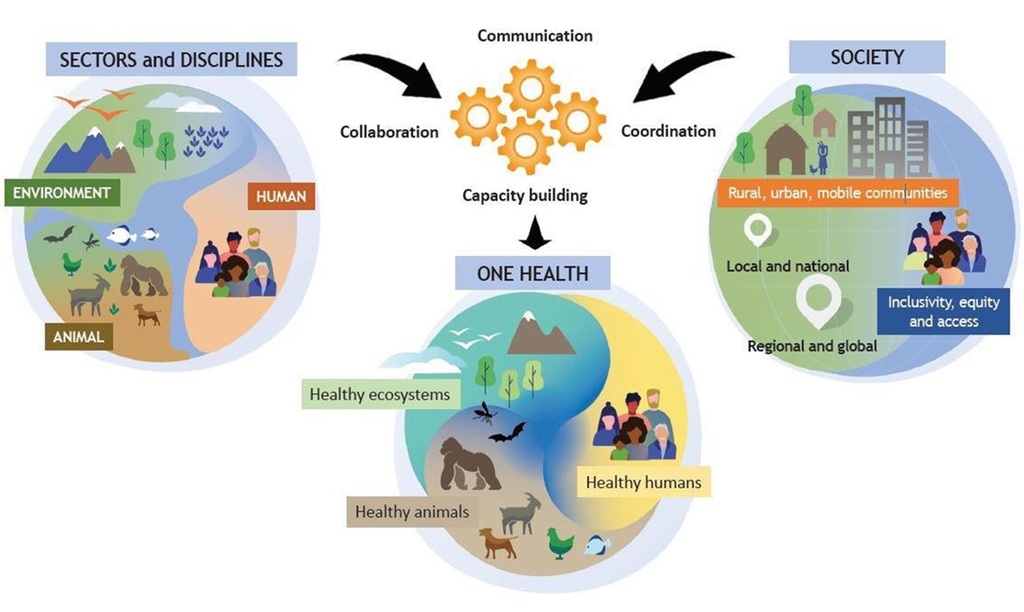
Nepal One Health Institute (NOHI), provides academic training opportunities for students passionate about conducting research within a One Health framework, which recognizes the interconnectedness of human, animal, and environmental health. Our multidisciplinary approach encourages students to explore pressing public health issues, zoonotic diseases, antimicrobial resistance, and ecological health through hands-on research, mentorship, and fieldwork. Students will work alongside experienced researchers and practitioners to gain practical skills and contribute to impactful projects that address real-world challenges in Nepal and beyond. Those interested in joining our academic training programs are encouraged to contact us at info@nepalohi.org / sankalpa@nepalohi.org for further information.