
Nepal One Health Institute (NOHI) is a not-for-profit non-governmental organization dedicated to advancing the principles of One Health – an integrated, multidisciplinary approach that recognizes the interconnectedness of human, animal, and environmental health. Established by experienced One Health practitioners from diverse disciplines to address unique public health challenges of Nepal and other low-and-middle-income countries, the institute serves as a technical and operational hub for collaborative research, innovation, capacity building, community engagement, strategy formulation, policy guidance, analytical think tank, and evidence-based interventions across One Health sectors in Nepal and globally
A healthier, resilient, and sustainable future where human, animal, and environmental health systems are harmoniously integrated to safeguard lives and ecosystems.
Promote and utilize One Health strategies to detect and defend against health threats to human, animal, and environmental health through interdisciplinary collaboration, implementation, research, education, and steer and advocate for One Health systems, and strengthen their resilience to shocks and stresses at the interface
Nepal One Health Institute (NOHI) works at the critical intersection of human, animal, and environmental health to address the most pressing health challenges facing Nepal and the region. We design and implement integrated One Health solutions to address emerging and re-emerging zoonotic diseases, antimicrobial resistance (AMR), food safety risks, and environmental threats. Our work includes collaborative research, policy guidance, capacity strengthening, and community engagement—bringing together experts from public health, veterinary medicine, ecology, microbiology, and beyond. By fostering partnerships across sectors, we help build resilient health systems that can detect, prevent, and respond to health threats at their source, ensuring a healthier and more sustainable future for all.
Our Core values:
● Collaboration: Building strong One Health partnerships across multi-sectors and disciplines
● Integrity - Upholding honesty, transparency, and accountability in all actions and decisions
● Innovation: Utilizing cutting-edge research and technology in addressing One Health challenges
● Equity: Ensuring fairness, inclusivity, and accessibility in One Health services and research
● Scientific Excellence - Committing to evidence-based practices and high-quality research to guide decision-making, policy formulation and implementation at ground level
● Sustainability: Advocating for long-term and eco-friendly solutions in One Health approaches
Advisory Committee

Professor Richard Bowen, DVM, PhD
Dr. Richard Bowen is a professor of reproductive biology and virology in the Department of Biomedical Sciences at Colorado State University. His research focuses on understanding the pathogenesis of infectious diseases for several viral and bacterial pathogens, and his laboratory conducts numerous experiments to evaluate the efficacy of new vaccines and therapeutic agents. As director of the Animal Models Core, Dr. Bowen has been at the forefront of basic epidemiology and the development of novel control strategies for emerging disease threats including West Nile virus, plague, MERS, and SARS-CoV-2. A veterinarian and scientist, he plays a key role in research efforts on both national and international scales. His global work includes helping small-scale livestock holders in Sub-Saharan Africa and South Asia, partnering with the University of Nairobi on disease threats such as brucellosis and foot and mouth disease, and empowering women in rural villages in Nepal to more effectively track and report diseases in livestock. Dr. Bowen is the recipient of the American Veterinary Medical Association's 2020 Lifetime Excellence in Research Award, recognizing his career achievement in impactful biomedical research that has advanced both veterinary and human health.

Professor Surya Paudel, DVM, PhD, DECPVS (EBVS)
Dr. Surya Paudel is an Assistant Professor in the Department of Infectious Diseases and Public Health at City University of Hong Kong. A veterinarian by training, he holds a PhD in poultry medicine from the University of Veterinary Medicine Vienna, Austria, and is a Diplomate of the European College of Poultry Veterinary Science (ECPVS). With over a decade of diverse experience in poultry medicine across Europe, the USA, and Asia, his expertise spans infection biology of poultry pathogens, vaccine development, immune responses, gut health, and diagnostics. He has served on the methodology task force for drafting the "Veterinary Guidelines on Antimicrobial Use in Poultry Colibacillosis" within the ENOVAT programme and led a joint collaboration with the International Atomic Energy Agency to develop a successful irradiated vaccine against avian pathogenic Escherichia coli suitable for mass aerosol vaccination. His work also includes conservation and management of critically endangered vulture species in Southeast Asia. Dr. Paudel is keen on expanding collaborations in poultry health, food safety, and sustainable farming, with a strong commitment to research and teaching at the intersection of host-pathogen interaction, disease prevention, and One Health.

Professor Benjamin Anderson, PhD, MPH
Dr. Benjamin Anderson is an Assistant Professor in the Department of Environmental and Global Health at the University of Florida, where he also received his MPH and PhD in Public Health with a focus on One Health. His research expertise spans emerging infectious diseases, zoonotic diseases, and viral respiratory pathogens, with particular emphasis on zoonotic viruses. He has extensive laboratory experience in BSL-1 to BSL-3+ environments using serological and molecular diagnostic techniques and has worked across multiple countries on epidemiology studies examining infectious disease transmission among humans, animals, and their environment. His current work focuses on the epidemiology of emerging infectious diseases among vulnerable populations with intense contact with animal reservoirs, as well as the characterization of antibiotic resistance in environmental reservoirs. Beyond his epidemiological research, Dr. Anderson is deeply committed to global health and scientific research capacity building, including the development of new collaborative international research networks and laboratory infrastructure.
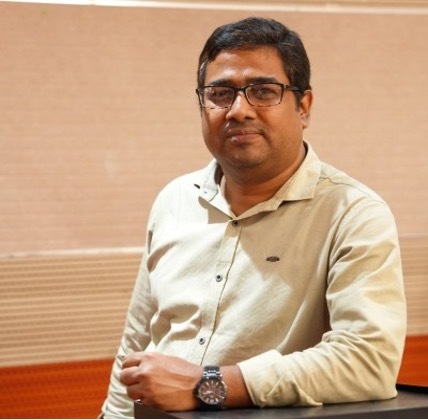
Professor Sukanta Chowdhury, PhD
Dr. Sukanta Chowdhury is currently working as a Scientist and Team Lead for the One Health Research Unit (OHRU) in the Infectious Diseases Division at icddr,b in Bangladesh. He is a veterinary epidemiologist with more than 14 years of research experience in emerging infections and One Health. His research focuses on avian influenza, Nipah virus, anthrax, melioidosis, rabies, antimicrobial resistance (AMR), and One Health approaches. Dr. Chowdhury received his PhD in veterinary epidemiology. He serves as an Academic Editor for PLOS Global Public Health journal and is a member of the WHO Guideline Development Group (GDG) for Traditional Food Markets. He has been awarded the MODRA Fellowship by Oxford University and the Wellcome Trust for 2024-2025. Through his extensive research and leadership at icddr,b, Dr. Chowdhury brings valuable expertise on zoonotic disease surveillance, outbreak response, and integrated One Health strategies that are highly relevant to Nepal and the broader South Asian region.

Professor David Hayman, PhD
Dr. David Hayman holds the Percival Carmine Chair in Epidemiology and Public Health and serves as Professor of Infectious Disease Ecology at Massey University, New Zealand. He is Co-Director of the mEpiLab, a molecular epidemiology and public health laboratory, and Director of IDReC, a virtual research lab. His research focuses on developing programs that improve public health and wildlife conservation outcomes, often working at the interface between disciplines. Dr. Hayman uses multidisciplinary approaches including molecular, serological, quantitative, and phylogenetic techniques to understand how infectious diseases are maintained within their hosts and how the process of emergence occurs. More broadly, he is interested in how ecological degradation and anthropogenic changes lead to increased pathogen emergence in humans and animals, and how multi-disciplinary research can work to improve human and ecological health. Through his work, Dr. Hayman brings valuable expertise in disease ecology, wildlife health, and the environmental dimensions of One Health to NOHI's advisory team.

Dr. Najmul Haider, PhD
Dr. Najmul Haider is a Lecturer in Epidemiology at the School of Life Sciences, Keele University, United Kingdom. He is an epidemiologist with over 15 years of research experience in infectious diseases, focusing on South Asia and Sub-Saharan Africa. Originally trained as a veterinarian, Dr. Haider has established a career centered on the One Health approach. His research emphasizes One Health strategies for emerging infectious diseases with pandemic potential including Lassa fever and Chikungunya, as well as transmission dynamics of arboviruses with particular focus on dengue in Bangladesh. He employs statistical and mathematical models to investigate pathways that interrupt spillover of pathogens from animals to humans. Prior to joining Keele University, Dr. Haider worked at icddr,b on CDC-funded research on anthrax and avian influenza, earned his PhD in Epidemiology from the Technical University of Denmark, and served as a Postdoctoral Researcher at the Royal Veterinary College, UK. During the COVID-19 pandemic, his publication on lockdown measures in Sub-Saharan Africa was referenced in policy papers by the UN, World Bank, and WHO.

Prof. Beverly Egyir
Prof. Beverly Egyir is an Associate Professor in the Bacteriology Department at the Noguchi Memorial Institute for Medical Research (NMIMR), College of Health Sciences, University of Ghana. Her research focuses on surveillance of antimicrobial resistant (AMR) bacteria species from humans, animals, food, water, and the environment. She employs both phenotypic and molecular tools, including whole genome sequencing, to investigate AMR trends and dynamics. Her work is dedicated to tackling AMR through One-Health research, surveillance, and capacity-building initiatives across the African continent. She leads the NMIMR AMR Hub, a multidisciplinary team with expertise in microbiology, sequencing, bioinformatics, and AMR data management. Over the years, she has directly trained and supervised several young scientists, both undergraduate and postgraduate and has organized AMR-focused workshops involving participants from several African countries. Prof. Egyir is the author of numerous peer-reviewed publications and plays key roles in national and international AMR networks. These include the Global Pathogen Analysis Platform Co-creators, Fleming funded SeqAfrica Consortium, Multi-Stakeholder AMR Partnership Platform-Action Group on Integrated AMR Surveillance, Wellcome Trust SEDRIC Genomics for AMR Surveillance Working Group, the Africa CDC Pathogen Genomics Initiative AMR Focus Group, Tanzanian Fleming Fellowship Scheme, PulseNet-Africa, and Ghana’s National Antimicrobial Resistance Coordinating Group.
Prof. Egyir, is the brain behind the Antimicrobial Resistance Education in Diagnostics, Genomics and Epidemiology (AMR EDGE) course, an initiative organized by the NMIMR AMR Hub, aimed at addressing Africa’s antimicrobial resistance expertise gap.
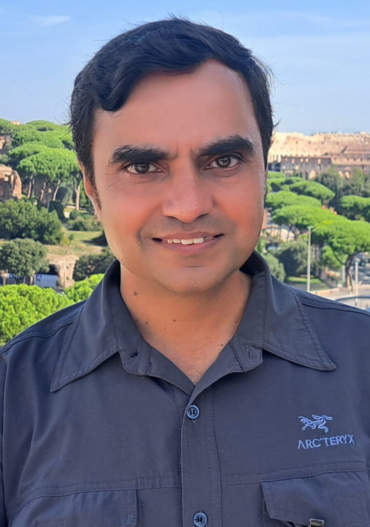
Dr. Deepak Paudel
Dr. Deepak Paudel is a seasoned public health professional and health systems researcher with over 24 years of experience. He specializes in applying systems thinking to health and social sectors, leading large and complex projects (e.g., USAID’s Strengthening Systems for Better Health, Global Fund grants), and shaping evidence-based policies and strategies (e.g., National Health Sector Strategic Plan 2023–2030). Skilled in one-health, human-centered design, sustainability planning, and decision-making frameworks, he has strong networks with government, donors, international organizations, academia, and civil society in Nepal. His expertise spans implementation research, strategic planning, governance, grant management, and policy development, making him a dynamic leader capable of driving impactful results. Deepak holds PhD in Medical Research/International Health from Ludwig-Maximilians-Universität München, Germany and Masters degrees in Public Health and Public Administration from Tribhuvan University, Nepal.
Founder Members
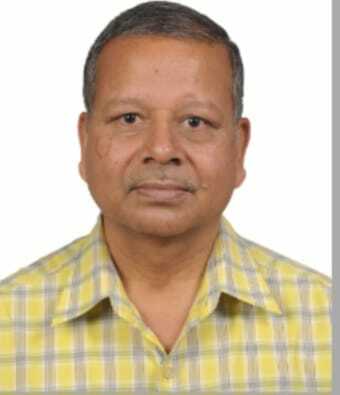
Virendra Lal
Mr Virendra Lal has a wide experience of health management and coordination within both government and I/NGOs.
He is a proficient health program trainer with more than 20 years of facilitation and communication experience. He also brings more than 14 years of teaching experience of students of Bachelor of Public Health (BPH) in the areas of disaster management, public health, human resource development, project management, and epidemiology. Mr Lal is a seasoned professional of Nepal in program design, implementing and monitoring, evaluation, and coordination of projects. He has an international research experience in Malawi characterising the understandings of the community on TB and HIV in Ntcheu district of Malawi. The dissertation paper was submitted to Liverpool School of Tropical Medicine, UK, in 2001.
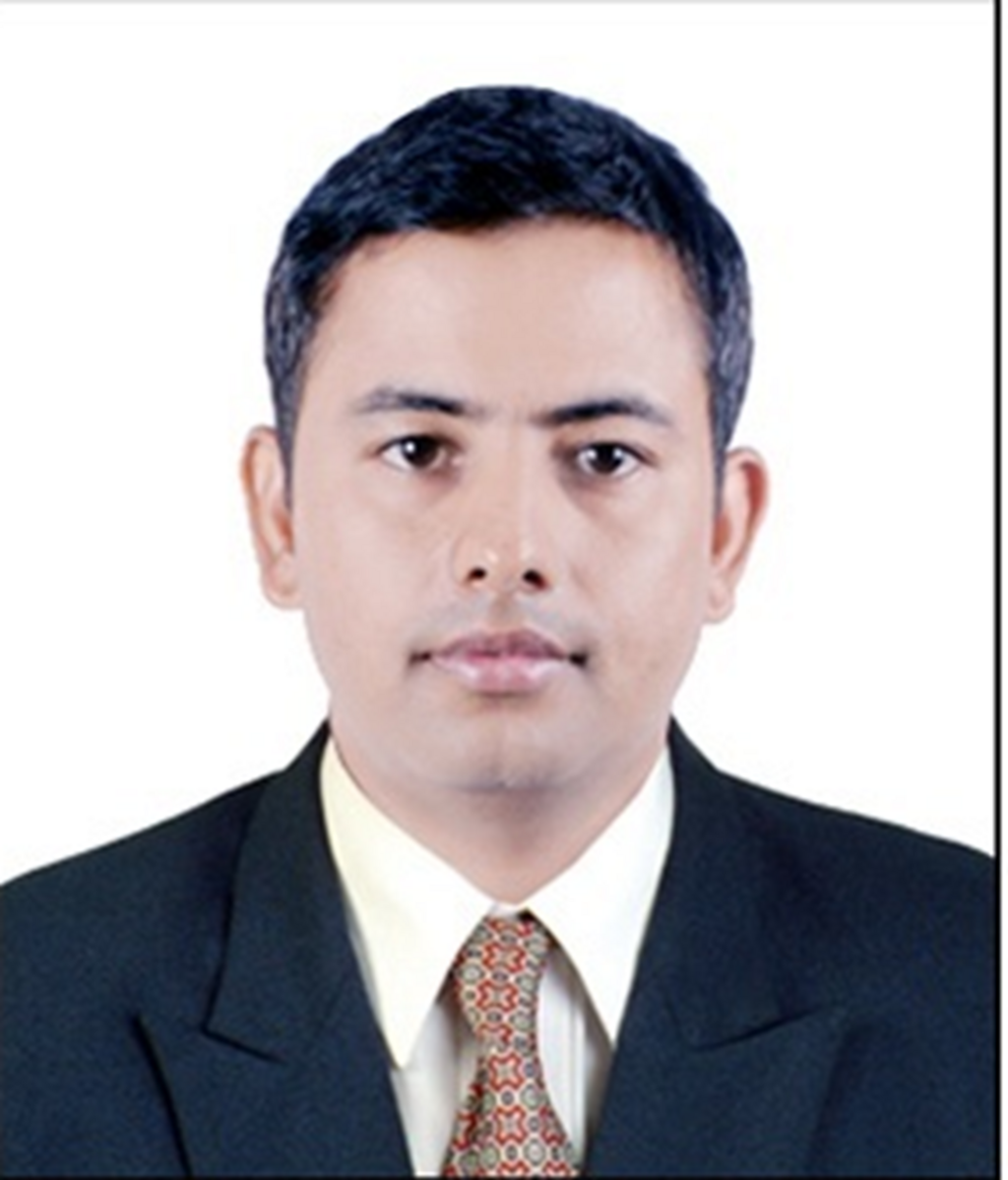
Ganesh Khatiwada
Ganesh Khatiwada is an accomplished public health professional with over a decade of experience in health systems strengthening, immunization programs, and humanitarian response. He holds a Master of Public Health (MPH) in Epidemiology and an MPhil in Population Studies. Throughout his career, he has worked across government systems, NGOs, INGOs, and bilateral projects, bringing extensive expertise in program design, monitoring and evaluation, and capacity building. His career highlights include providing technical support for Nepal’s national immunization program, the COVID-19 vaccination rollout, and the Measles-Rubella campaign. Ganesh has played a key role in developing national-level policies and guidelines, contributing to the sustainability and resilience of health systems. He has collaborated with local communities, governments, and international organizations to implement impactful health and development programs. With a strong understanding of Nepal's socio-cultural, political, and health landscapes, his current focus lies in areas such as One Health, climate change, vaccinology, monitoring and evaluation, and climate-resilient health systems, aiming to address global health challenges and drive sustainable change.

Dr. Shekhar Pokhrel
Dr. Shekhar Pokhrel is a dedicated Assistant Professor and a highly skilled veterinarian and public health expert with over a decade of professional experience. With a strong academic background, he is actively engaged in research and teaching graduate students in courses such as Veterinary Epidemiology, Zoonotic Diseases, Food Hygiene, and Public Health. He has a keen interest in addressing zoonotic diseases and antimicrobial resistance (AMR), focusing on implementing innovative mitigation measures using the One Health approach. His passion lies in studying the infection dynamics of diseases with significant health implications and developing cost-effective control strategies through mathematical modeling.
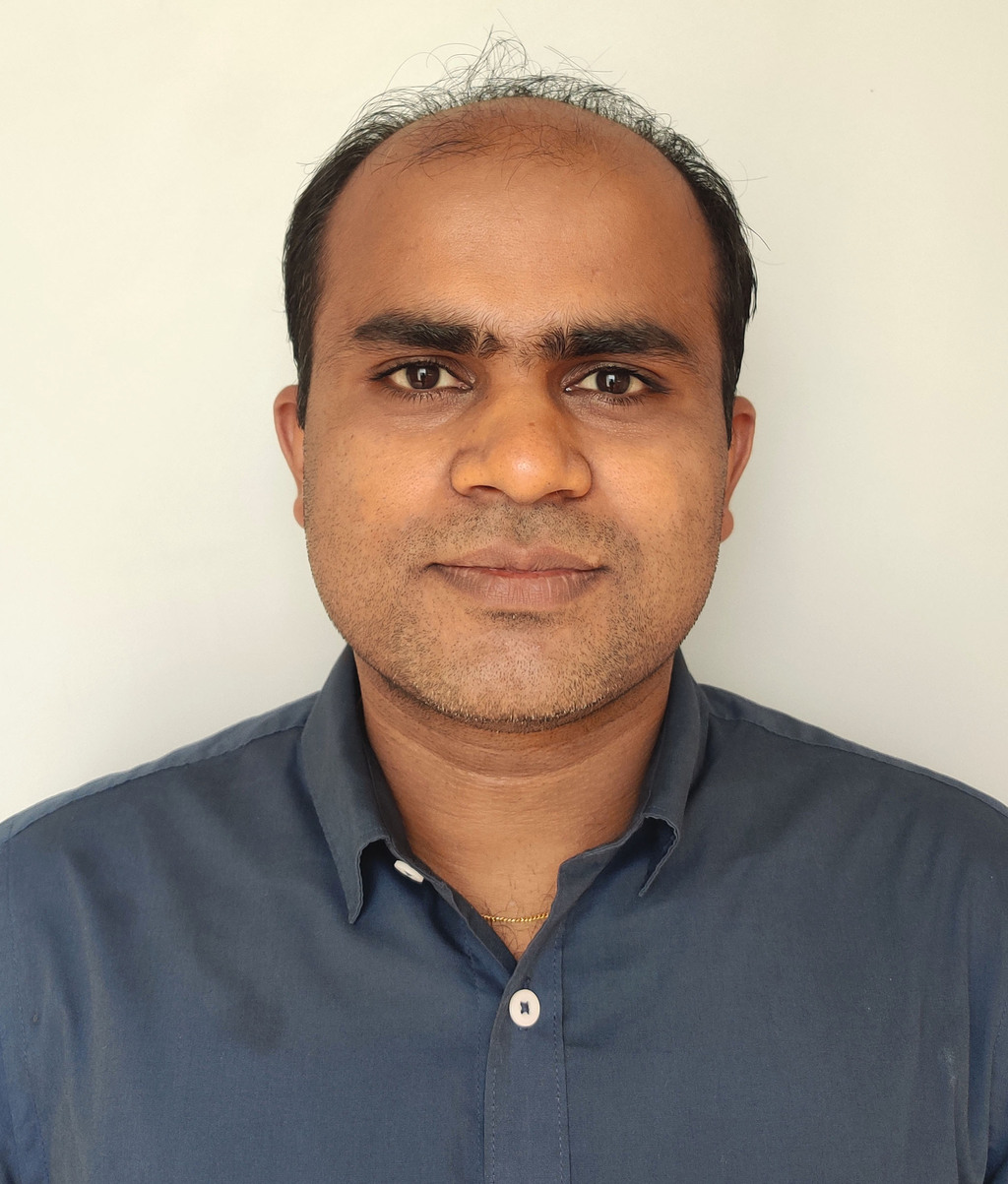
Mr. Ajay Narayan Sharma
Mr. Ajay Narayan Sharma has extensive experience in healthcare, laboratory sciences, and research. After completing his master’s degree in biotechnology from HNB Garhwal University in 2011, he began his career as a Quality Control Officer at Panas Pharmaceuticals in Nepalgunj, where he gained in-depth knowledge of the pharmaceutical industry. In 2012, he moved to Kathmandu and joined the Center for Molecular Dynamics as a Research Associate, later being promoted to Assistant Laboratory Manager and then Laboratory Manager. During his tenure, he conducted extensive research across multiple fields, including human health, wildlife, public health, plant sciences, and conservation, while also overseeing laboratory operations.
In 2018, Ajay transitioned to the role of Production Manager at Biovac Nepal, where he contributed to vaccine development, successfully producing a vaccine against Newcastle Disease (ND) in poultry. In 2020, he left both organizations to join Nepal Mediciti Hospital, where he established the Molecular Biology Department and introduced various molecular diagnostic tests. His career further expanded in 2022 when he took on the role of Operations Manager at Alfa Healthcare and Diagnostic Center, gaining valuable experience in managing healthcare facilities and overseeing daily operations.
With his diverse expertise, Ajay co-founded a polyclinic in Maitidevi alongside Dr. Avash and Dr. Prajwol, aiming to provide essential health services to the community. He also applies his knowledge at National Path Lab in Lalitpur, contributing to Nepal’s first human molecular diagnostics. Recognizing the urgent need for a holistic One Health approach to address human, animal, and environmental health challenges, he co-founded the Nepal One Health Institute, providing a platform for One Health-related research and collaboration in Nepal.

Kamal Raj Gosai
Kamal Raj Gosai earned his PhD in Ecology from Guangxi University, China. He has a dual Master's degree in Environmental Science and English. He has been conducting research on various faunal species, particularly on avifauna for almost a decade now. In addition to a strong presence in the research sector, he has also held leading positions in academic and developmental sectors in Nepal. He worked as the Head of the Department of Environmental Science at Khwopa College for five years, as the Executive Director of Clean Energy Nepal (CEN) for nearly two years, and as the Program Manager at Integrated Development Society (IDS Nepal) for almost a year. He is working as an Assistant Professor at the Department of Environmental Science, Tri-Chandra Multiple Campus, Tribhuvan University of Nepal. He has published almost two dozen scientific articles in national and international journals and participated in conferences inside and outside the country. He has also been actively writing on Environmental issues in online and paper-based newspapers and magazines.
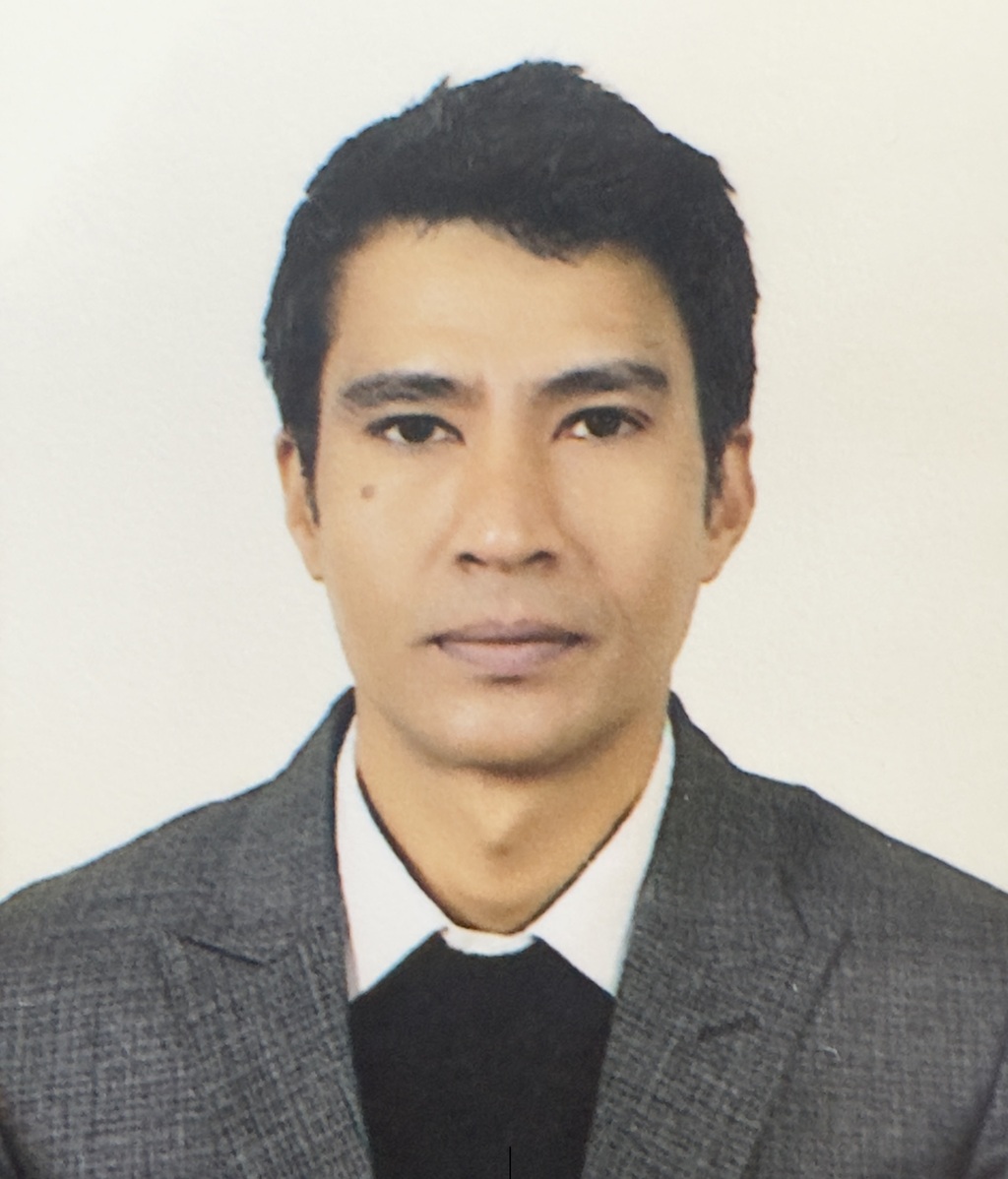
Bibhuti Raj Basnet
Mr. Bibhuti Raj Basnet is a versatile professional with a multidisciplinary background in economics, law, management, governance, and sustainable development. Holding a Master’s in Public Policy & Governance (MPPG), a Master of Arts in Economics (M.A. Econ.), a Bachelor of Business Administration (BBA), and a Bachelor of Laws (LL.B), he combines academic expertise with practical experience to create tangible and positive impacts.
With years of experience in management, leadership, strategic planning, advocacy, research and consultation, Mr. Basnet focuses on promoting entrepreneurship, fostering sustainable economic growth, and bridging global opportunities with local communities. His expertise spans public policies and governance, legal frameworks, and responsible investment strategies, all focused on achieving long-term development and positive societal change.
Mr. Basnet emphasizes the integration of private sector growth, entrepreneurial strategies, and both governmental and non-governmental efforts to foster a collaborative environment for sustainable progress. His work in the One Health sector drives his commitment to solutions that address the interconnectedness of human, animal, and environmental health, furthering sustainable development.
Committed to practical and collaborative solutions for lasting change, Mr. Basnet works to create opportunities for entrepreneurship and sustainable growth within communities. His versatile skill set and deep understanding of both local and global economic landscapes, coupled with legal insights, position him as a catalyst for positive change, striving to improve the well-being and opportunities for people across diverse communities.
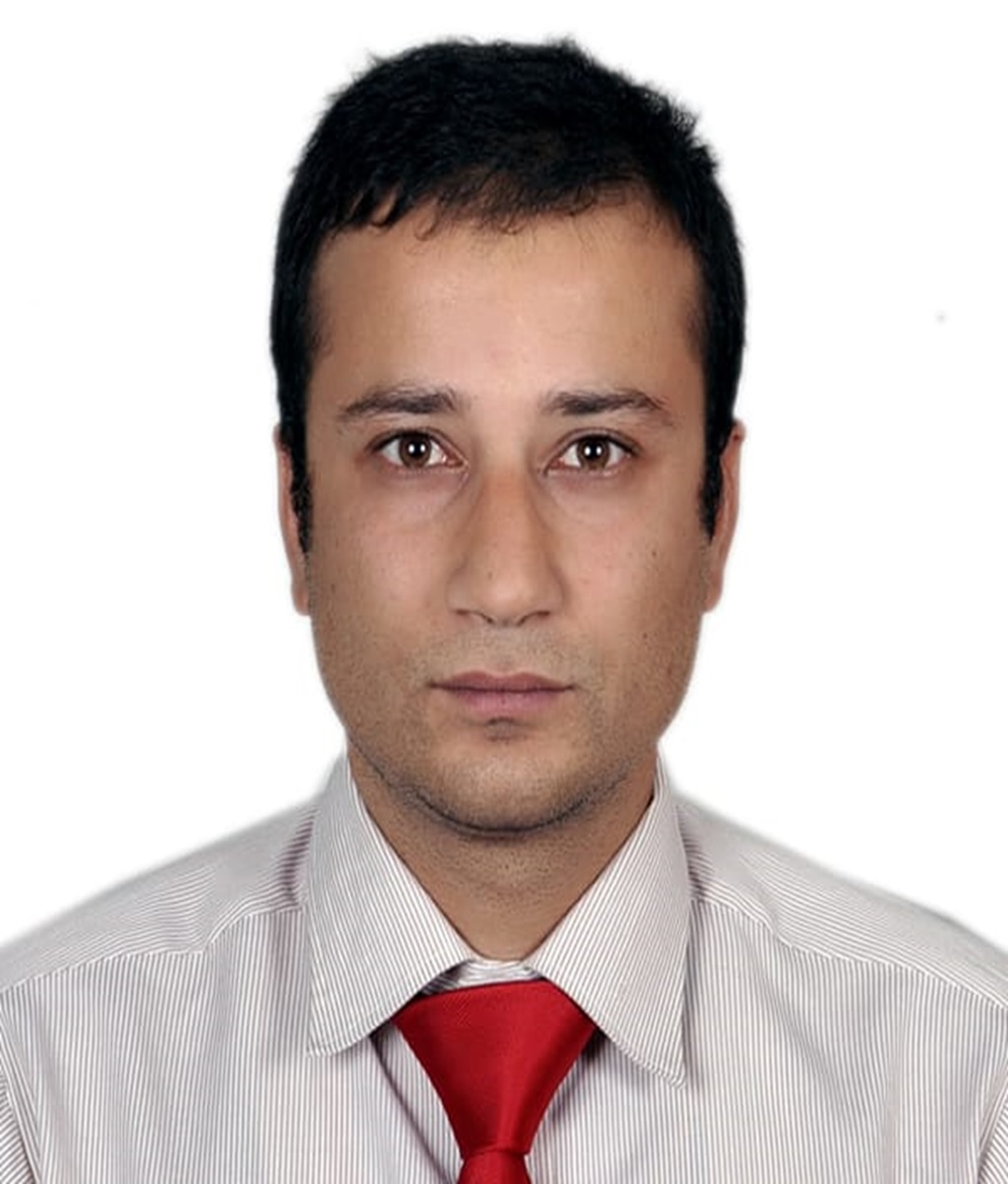
Sankalpa Bhattarai
Sankalpa Bhattarai is a global health researcher, one health practitioner and microbiologist with expertise in infectious diseases, pathogen surveillance, and public health. He holds dual master degrees in Global Health from Duke/Duke Kunshan University and Microbiology from Tribhuwan University. His research spans topics such as antimicrobial resistance, zoonotic diseases, bioaerosol surveillance, and migrant health, focusing on low-resource settings.
Sankalpa has contributed to multiple high-impact international collaborations, including research on respiratory viruses, and health challenges faced by migrant workers. He has worked with universities like Duke University, Keele University, and Bournemouth University, leading projects that explore innovative health solutions.
Sankalpa has also published widely in peer-reviewed journals, presented at global conferences, and secured grants for impactful studies. With skills in laboratory, data analysis, and systematic reviews, Sankalpa continues to mentor the next generation of public health professionals.

Dr. Nirmal Kumar Jha, MD, MPHM
Dr. Nirmal Kumar Jha is a public health specialist with over 20 years of national and international experience in immunization, disease surveillance, outbreak response, and health systems strengthening. He has worked with WHO, UNICEF, PATH, and Save the Children in Nepal and abroad.He has provided technical support in polio eradication, vaccine-preventable disease surveillance, immunization, public health emergency preparedness and response, and health policy development. It also includes transition of critical polio/VPD surveillance functions into government health systems in Nepal and sustainability.
Dr. Jha has extensive experience collaborating with governments, donors, UN agencies, and civil society organizations to design and implement evidence-based public health interventions. He has also contributed to public health research, with publications focusing on urban immunization, maternal health, health service utilization, and community resilience.